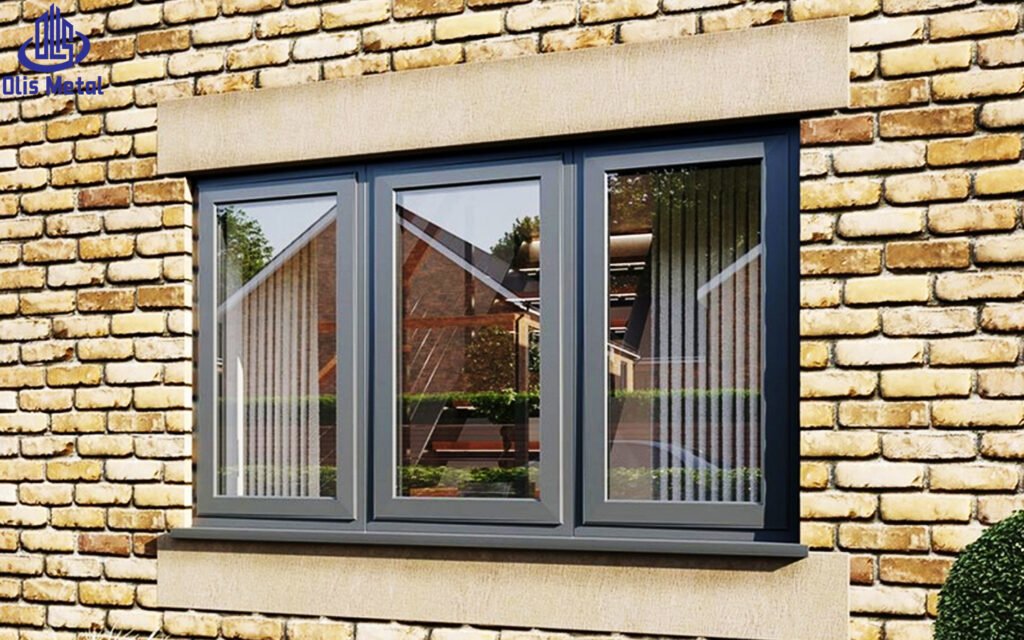

Aluminum-Plastic Co-Extrusion Curtain Wall is an innovative high-performance building envelope system that combines advanced composite technology with modular energy-saving design. As a new generation of energy-efficient exterior cladding solution, it perfectly meets the performance requirements of high-level green buildings and passive ultra-low energy consumption buildings, making it increasingly popular in modern high-rise and commercial construction projects.
What Is Aluminum-Plastic Co-Extrusion Structure?
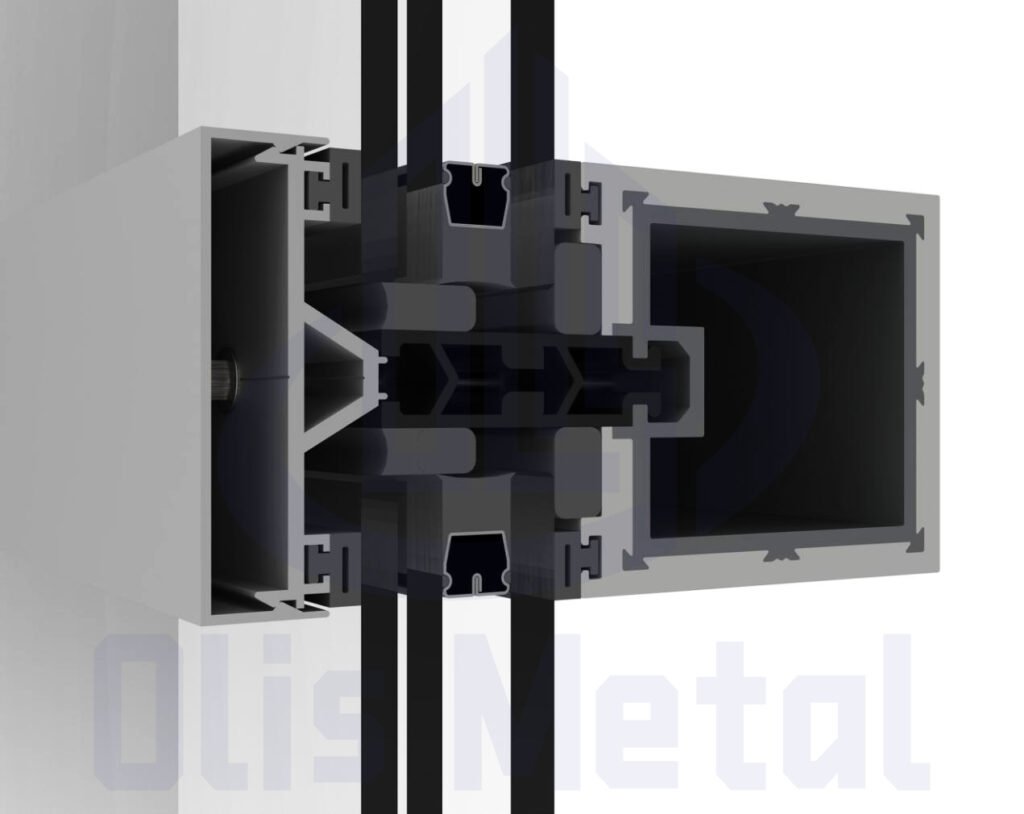
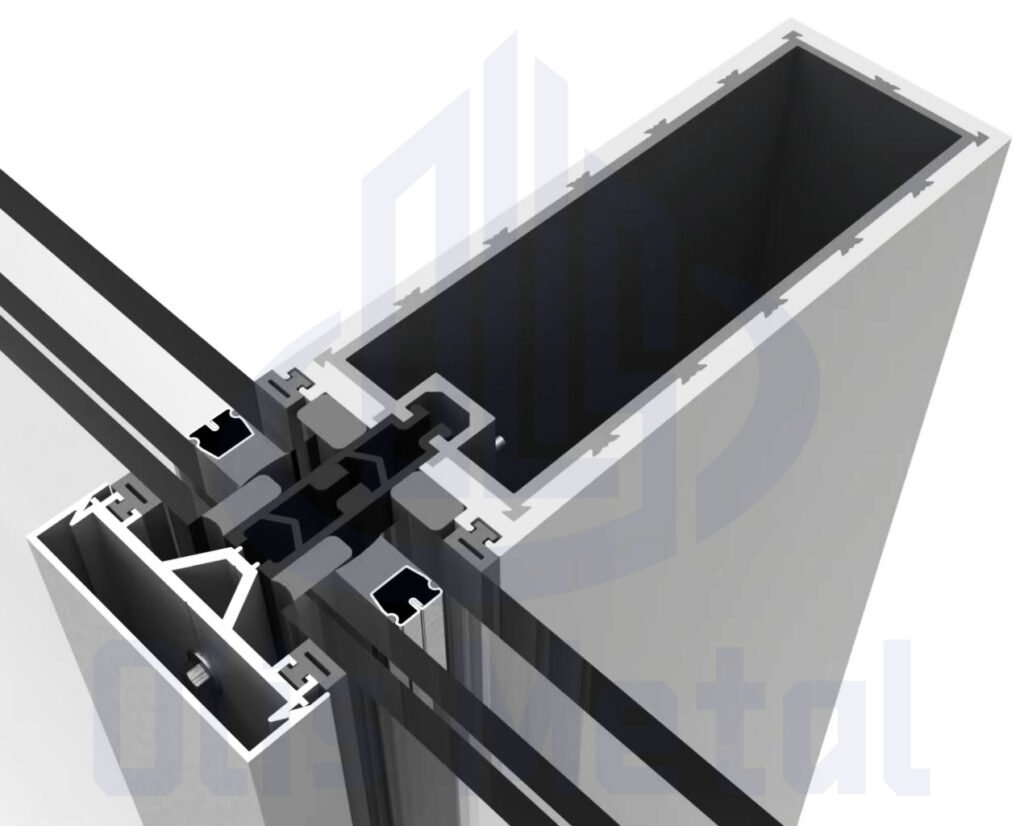
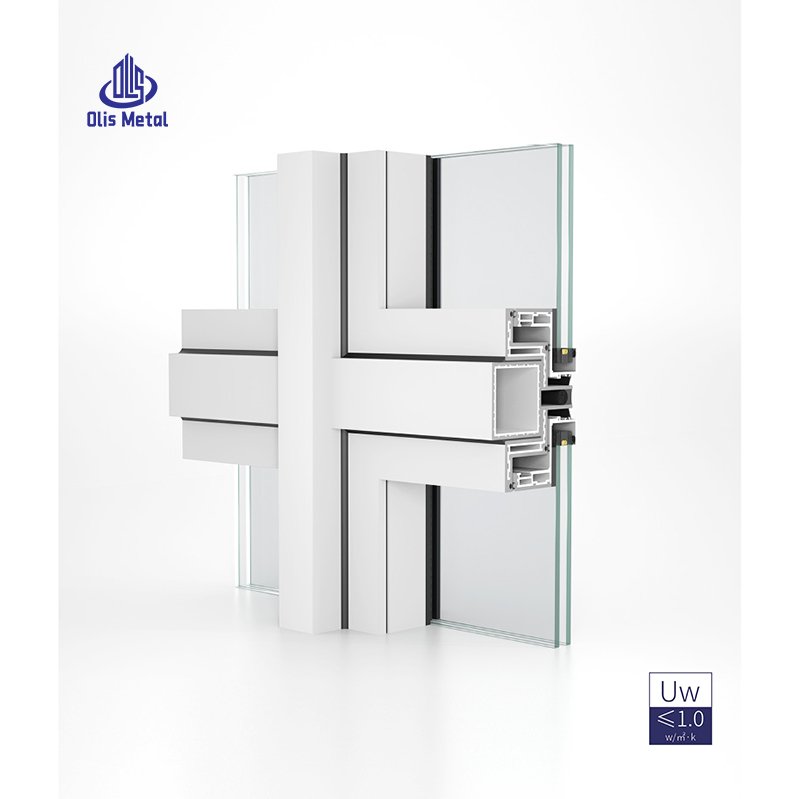
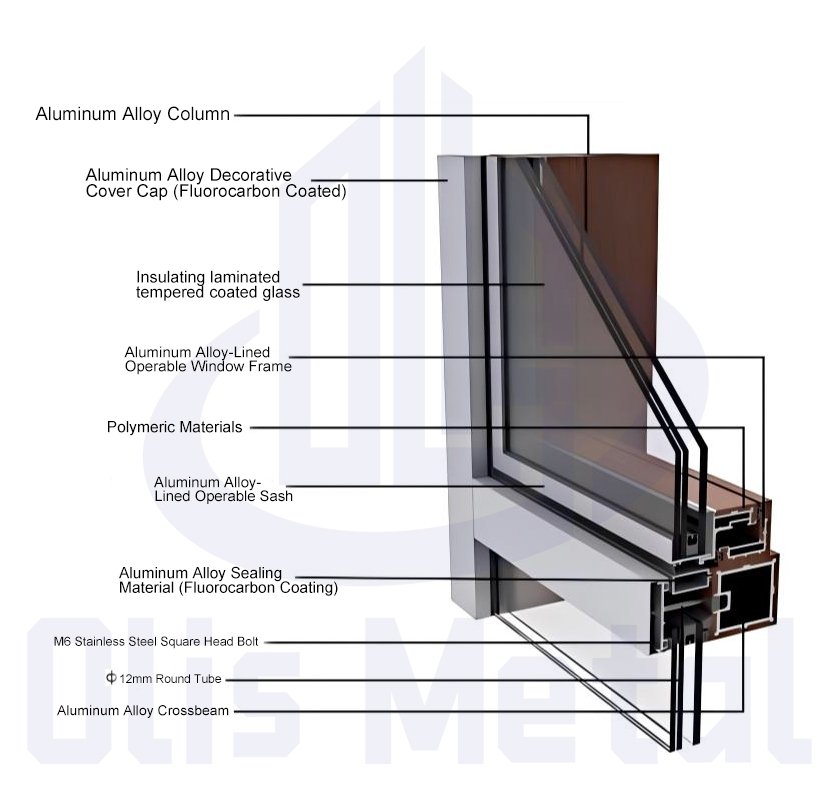
The Aluminum-Plastic Co-Extrusion structure adopts a composite and modular energy-saving design concept. It uses aluminum alloy profiles as the base material, and a layer of micro-foamed PVC material is coated on the surface through an extrusion micro-foaming process. The two materials are tightly combined through high-temperature extrusion, forming a new high-efficiency composite profile with outstanding structural stability and thermal performance. This unique structure lays a solid foundation for the excellent performance of Aluminum-Plastic Co-Extrusion Curtain Wall.
Key Performance Characteristics of Aluminum-Plastic Co-Extrusion Curtain Wall
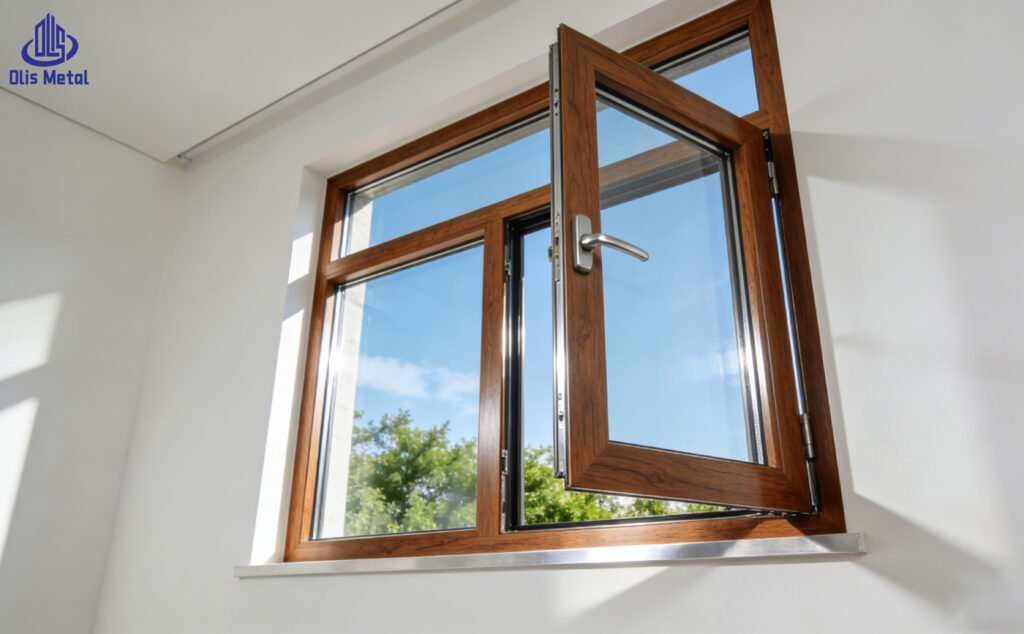
Curtain walls made with this co-extrusion profile not only retain the strength and dimensional accuracy of traditional aluminum curtain walls, but also possess the outstanding thermal insulation performance of plastic profiles. They offer the comfortable thermal touch similar to plastic and wooden windows, and can achieve the high-grade decorative effect of wood facades through transfer printing and film covering. Moreover, Aluminum-Plastic Co-Extrusion Curtain Wall provides excellent sound insulation performance, fully satisfying the strict demands of modern green buildings and passive ultra-low energy consumption structures. Since the aluminum alloy profile is fully covered by PVC material, its corrosion resistance is greatly enhanced, significantly extending the service life of the building envelope.
Superior Thermal Insulation Performance
One of the most prominent advantages of Aluminum-Plastic Co-Extrusion Curtain Wall is its exceptional thermal insulation capability. Polymer materials have an extremely low thermal conductivity (approximately 0.03-0.1 W/m·K), far lower than that of aluminum alloy. The composite structure effectively blocks thermal bridges, reducing the heat transfer coefficient (K-value) by 30%-50% compared with traditional aluminum profiles. This makes it particularly suitable for cold regions or high-temperature areas, greatly reducing the building’s heating and air conditioning energy consumption and helping projects achieve higher energy-saving standards.
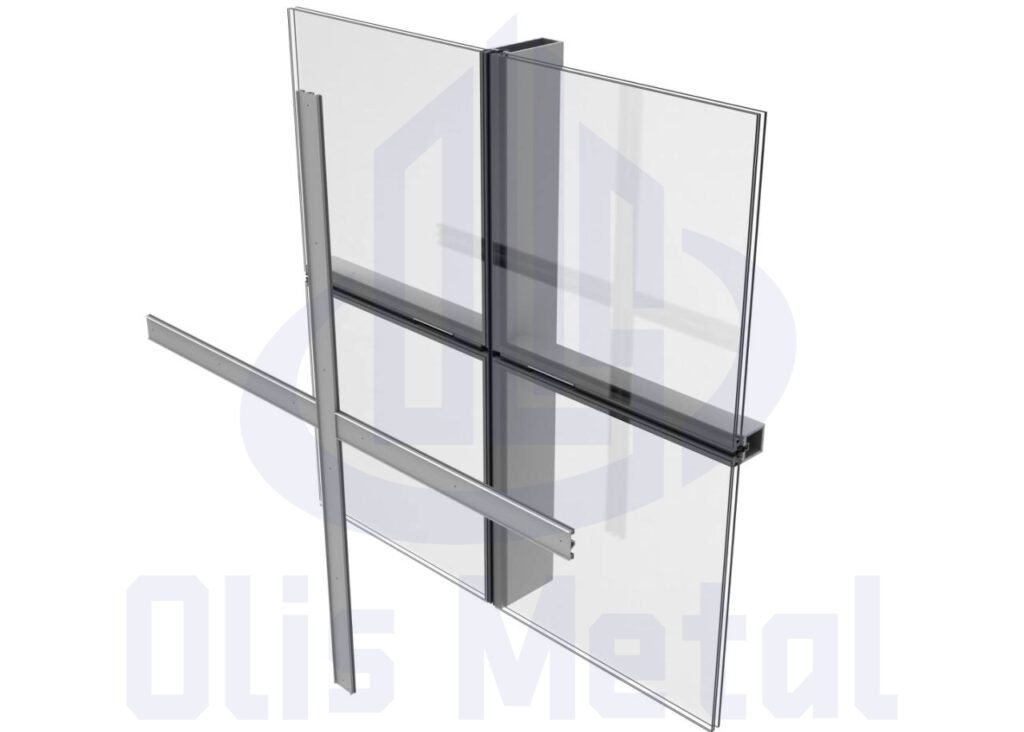

Aluminum-Plastic Co-Extrusion Curtain Wall delivers an unbeatable combination of strength, insulation, durability, and cost efficiency. For projects targeting green building certification, passive ultra-low energy consumption standards, or long-term operational savings, this advanced composite system stands as the optimal choice for modern architectural facades.
Lightweight and High Strength Balance
The polymer material used in Aluminum-Plastic Co-Extrusion Curtain Wall has only 1/5 to 1/3 the density of aluminum alloy. While ensuring excellent wind pressure resistance and deformation resistance through the outer aluminum layer and internal support structure, the overall weight is reduced by 20%-40%. This lightweight feature reduces the load-bearing pressure on curtain wall keels, lowers installation costs, and decreases the foundation stress of buildings, bringing significant economic benefits to large-scale construction projects.
Enhanced Corrosion Resistance and Durability
The inner polymer layer of Aluminum-Plastic Co-Extrusion Curtain Wall is acid and alkali resistant and anti-aging, effectively protecting the aluminum layer from moisture, salt, and chemical corrosion—especially critical for coastal and industrial area projects. The outer aluminum layer, after surface treatments such as fluorocarbon spraying, offers weather resistance comparable to traditional profiles, resulting in a much longer overall service life and lower long-term maintenance costs.
Core Advantages: Aluminum-Plastic Co-Extrusion vs. PVC Curtain Walls
Mechanical Strength
PVC curtain walls rely on steel liners for support, resulting in weak bending and impact resistance, with easy deformation under long-term stress. Aluminum-Plastic Co-Extrusion Curtain Wall features an aluminum layer that provides high-strength support, while the plastic layer buffers stress. Their overall wind pressure resistance and deformation resistance far exceed PVC curtain walls, making them ideal for high-rise buildings and large-scale public constructions.
Weather Resistance
PVC materials tend to age and become brittle under long-term UV exposure and extreme temperature changes, leading to cracking and discoloration, with a service life of only 8-12 years. Aluminum-Plastic Co-Extrusion Curtain Wall has an oxidized aluminum layer for corrosion resistance and anti-aging additives in the plastic layer, capable of withstanding temperatures from -40°C to 80°C, with a service life of over 20 years.
Thermal Insulation Performance
Although PVC curtain walls have basic insulation properties, their steel liners are good heat conductors that easily create cold bridges, compromising energy efficiency. Aluminum-Plastic Co-Extrusion Curtain Wall uses low thermal conductivity plastic layers combined with aluminum to form a composite insulation structure, with thermal conductivity only 1/3 to 1/2 that of PVC curtain walls, better meeting strict energy-saving standards for green buildings.
Installation and Maintenance
PVC curtain walls lack sufficient rigidity, requiring frequent fixing during installation, and often suffer from seal failure due to deformation, demanding regular maintenance. Aluminum-Plastic Co-Extrusion Curtain Wall features stable dimensions, easy installation, strong deformation resistance, long-lasting sealing performance, and low maintenance costs throughout their lifecycle.